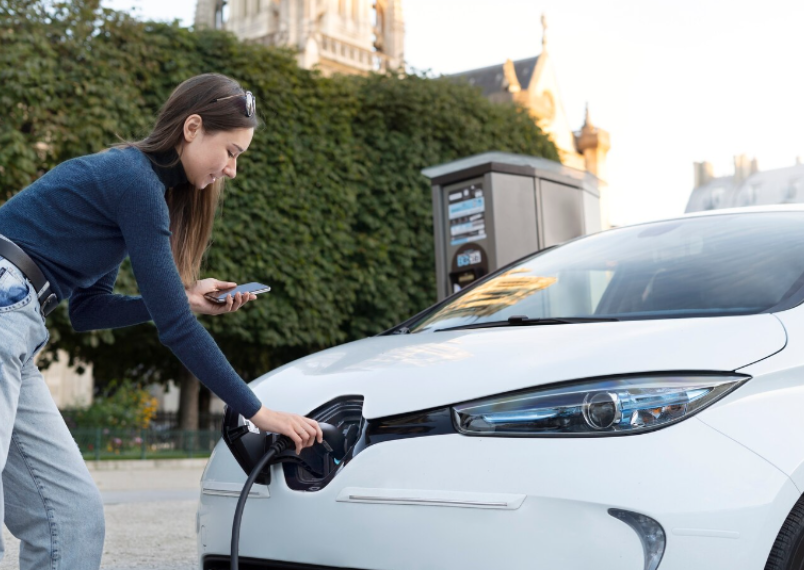
One of the key concerns for anyone considering an electric vehicle (EV) is the longevity of its battery. After all, the battery is the heart of any electric vehicle, and understanding how long it lasts, how to maintain it, and what factors can affect its lifespan is essential for any prospective EV owner. In this article, we’ll take a deep dive into how long EV batteries typically last, as well as provide practical maintenance tips to help you maximize your battery’s lifespan.
How Long Do EV Batteries Typically Last?
EV batteries are designed to be long-lasting, and many manufacturers offer warranties that cover battery life for 8 years or more. On average, an electric vehicle battery will last between 8 to 15 years, depending on various factors such as the type of battery, driving habits, and climate. In terms of mileage, EV batteries can last anywhere between 100,000 to 500,000 miles. However, it’s important to note that batteries gradually lose their capacity over time, meaning they might not hold the same charge as when they were new.
Factors That Affect EV Battery Lifespan
Several factors can impact the lifespan of an EV battery. Understanding these elements can help you take proactive steps to extend its longevity:
1. Climate
Extreme temperatures, both hot and cold, can shorten the life of an EV battery. In hotter climates, the battery can degrade faster due to heat exposure, while cold temperatures can reduce charging efficiency and overall performance. If you live in a region with extreme temperatures, it’s essential to store your vehicle in a garage or shaded area whenever possible.
2. Charging Habits
Frequent charging to 100% or discharging the battery to 0% can stress the battery, leading to quicker degradation. Experts recommend maintaining a charge level between 20% to 80% for optimal battery health. Fast charging, while convenient, can also generate more heat and accelerate wear and tear, so it’s advisable to use slow charging whenever you can.
3. Driving Style
Aggressive driving, including rapid acceleration and hard braking, can place a significant strain on the EV’s battery, leading to faster degradation. Smooth driving with gentle acceleration and braking will help prolong the battery’s life. Additionally, long trips with consistent speeds on highways are less taxing on the battery compared to stop-and-go city driving.
4. Battery Type
The type of battery used in your electric vehicle plays a crucial role in its longevity. Most modern EVs use lithium-ion batteries, which have a longer lifespan compared to older battery technologies. Lithium-ion batteries are known for their durability and efficiency, but they still require proper care to ensure they last as long as possible.
5. Battery Management System (BMS)
Modern EVs are equipped with a Battery Management System (BMS) that monitors and regulates the battery’s charging, discharging, and temperature. This system helps to ensure the battery operates efficiently and can prevent issues like overcharging and overheating that may shorten the battery’s lifespan.
Tips to Extend the Life of Your EV Battery
While you can’t prevent all of the factors that impact battery lifespan, there are several ways to extend the life of your EV battery and get the most out of it.
1. Avoid Extreme Charging Habits
As mentioned earlier, charging your EV to 100% or letting it drop to 0% regularly can reduce battery life. Aim to keep your charge level between 20% to 80% to prevent unnecessary wear. Many EVs have an option to set a limit on the maximum charge level, so you can optimize the charging process.
2. Use Smart Charging Practices
If you have access to a level 2 charger at home, use it for daily charging. Slow charging generates less heat, which is better for battery health. Reserve fast charging for when you need a quick boost, such as on long trips.
3. Minimize Frequent Fast Charging
Frequent use of DC fast chargers can lead to increased battery temperature, which in turn accelerates degradation. It’s perfectly fine to use fast chargers for long trips, but for regular use, consider opting for standard charging.
4. Park in a Cool, Dry Place
If possible, park your EV in a shaded area or a garage to avoid extreme temperatures. Hot weather can cause the battery to degrade faster, while very cold temperatures can reduce its performance. Keeping your EV in a cool, dry place helps protect the battery from these effects.
5. Drive Smoothly and Conservatively
Driving habits greatly impact battery life. Accelerating rapidly and braking harshly can put unnecessary stress on the battery. Try to drive smoothly, accelerating gently and braking early, to help your battery last longer.
6. Use Regenerative Braking
Many electric vehicles come with a regenerative braking system that recovers energy when you brake, feeding it back into the battery. Not only does this improve driving efficiency, but it also reduces the load on the battery, which helps extend its lifespan.
7. Keep Your Battery at Optimal Temperature
Some EVs come equipped with active cooling or heating systems to maintain an optimal battery temperature. If your vehicle has this feature, use it to keep the battery in the ideal temperature range. Avoiding extreme cold or heat is one of the easiest ways to extend battery life.
What Happens When an EV Battery Reaches the End of Its Life?
Eventually, all EV batteries will lose some of their capacity, meaning they won’t hold a charge as well as they did when new. However, this doesn’t mean the battery will need to be replaced immediately. In most cases, EV batteries maintain 70-80% of their original capacity even after several years of use, making them still usable for everyday driving.
Once a battery reaches the end of its useful life for driving, it can often be repurposed for stationary energy storage, such as in home energy systems or backup power applications. Many manufacturers also offer battery recycling programs to ensure that the materials are reused and not wasted.
Conclusion
The longevity of an EV battery depends on several factors, including climate, driving style, charging habits, and the type of battery. By following the tips provided in this guide, you can maximize your battery’s lifespan and ensure that your electric vehicle continues to provide reliable, eco-friendly performance for many years to come. As EV technology continues to evolve, battery longevity will only improve, making electric vehicles an increasingly viable long-term option for drivers.

