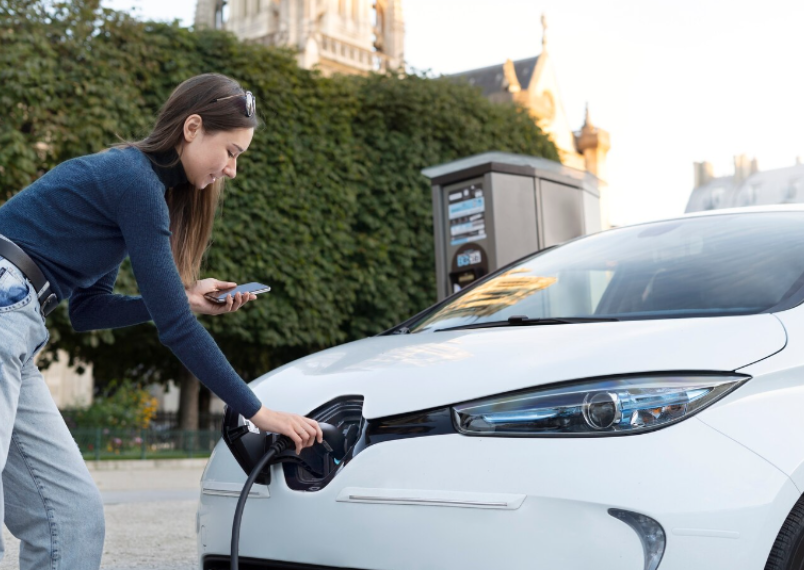
The future of transportation is evolving quickly, driven by two transformative technologies: electric vehicles (EVs) and autonomous driving systems. These innovations promise to reshape how we travel, how we impact the environment, and how the auto industry operates. But while the prospect of self-driving electric cars is exciting, many are left asking: Are we truly ready for this revolution?
This article delves into the current state of self-driving electric cars, the synergy between EVs and autonomous technology, the challenges that remain, and when we might see fully autonomous electric vehicles hit the roads.
The Growth of Electric Vehicles
Electric vehicles have grown in popularity over the past decade. With environmental concerns on the rise, EVs are increasingly seen as a viable alternative to traditional gasoline-powered cars. The adoption of EVs is also being driven by government policies that encourage the reduction of carbon emissions and the transition to cleaner energy sources. In addition, as battery technology improves, the range of EVs has increased, making them more appealing to the mass market.
Electric cars are powered by large battery packs that provide energy to electric motors, and they have fewer moving parts compared to traditional internal combustion engines (ICE). This makes them more efficient and environmentally friendly.
As EV adoption accelerates, the question arises: What happens when these vehicles become fully autonomous?
Autonomous Driving: The Next Frontier
Autonomous driving refers to vehicles that can operate without human intervention. This technology relies on an array of sensors (cameras, radar, LIDAR) and sophisticated algorithms to allow a vehicle to navigate, make decisions, and avoid obstacles. Autonomous vehicles are categorized by levels, ranging from Level 0 (no automation) to Level 5 (full automation).
Currently, most vehicles with self-driving capabilities are at Level 2 (partial automation), where systems assist with tasks such as adaptive cruise control, lane-keeping, and parking. Level 3 (conditional automation) is being tested in some vehicles, where the car can handle most driving tasks, but the human driver must be ready to take control when necessary.
The ultimate goal is Level 5 autonomy, where the car can drive completely on its own under any conditions, without human input or oversight.
Why Self-Driving and Electric Cars Are a Perfect Match
At first glance, electric vehicles and autonomous cars may seem like separate advancements. However, they are becoming increasingly intertwined due to their complementary features.
1. Environmental Benefits
Electric vehicles are already recognized for their environmental advantages. They produce no tailpipe emissions, helping reduce air pollution and carbon footprints. When combined with self-driving technology, EVs could become even more efficient, potentially reducing energy consumption.
Self-driving EVs have the ability to optimize routes, reduce traffic congestion, and minimize unnecessary stops and acceleration. This can lead to more efficient energy usage, which is crucial for improving the range of electric cars and alleviating concerns about limited charging infrastructure.
2. Technological Synergy
Both electric and autonomous vehicles rely heavily on advanced technology and computing power. Self-driving cars require a wide array of sensors and cameras to navigate and respond to road conditions, and EVs are often equipped with similar technology. In fact, many of the sensors used for autonomous driving are already standard in high-end electric cars.
Furthermore, both technologies benefit from software-driven innovation. Electric vehicles already feature over-the-air software updates, allowing automakers to continually improve vehicle performance. Self-driving cars could similarly benefit from remote software updates, allowing vehicles to become safer and more capable over time.
3. Cost Efficiency
Electric vehicles generally have fewer moving parts than traditional gas-powered cars, which reduces maintenance costs. Adding autonomous driving systems may also bring cost savings by reducing the need for human drivers, especially in ride-sharing fleets.
Moreover, with autonomous EVs, the vehicle can be utilized more efficiently. It could drive itself to a charging station, take passengers on rides, and return to a parking space—optimizing its use and reducing idle time.
Challenges to Overcome
Despite the promise of autonomous electric vehicles, several hurdles need to be addressed before they become mainstream.
1. Safety and Regulation
Safety remains a major concern for self-driving cars. While autonomous vehicles are designed to eliminate human error, they must be able to handle unpredictable situations such as sudden road hazards, inclement weather, and complex urban environments.
Regulators also need to create frameworks to govern the use of autonomous vehicles, ensuring that safety standards are met. Questions surrounding liability and insurance for accidents involving self-driving cars are still being worked out, and public trust will play a significant role in the adoption of this technology.
2. Infrastructure Overhaul
For autonomous cars to work effectively, the surrounding infrastructure needs significant upgrades. Many self-driving cars rely on high-definition maps and data-sharing systems to navigate, which means cities will need to invest in smart infrastructure—such as roads equipped with sensors and connected traffic lights.
Additionally, EVs require widespread charging infrastructure, and self-driving EVs may necessitate even more advanced solutions, such as dedicated charging stations for autonomous vehicles or the ability for EVs to charge themselves while on the move.
3. Ethical and Legal Implications
The advent of self-driving technology raises significant ethical and legal concerns. For example, in the event of an unavoidable accident, how should a car make decisions about who to harm? These are the “trolley problems” that autonomous vehicle engineers must address.
Liability also becomes more complex: If a self-driving car causes an accident, who is at fault? Is it the manufacturer, the software developer, or the owner? These questions will need to be answered as the technology advances.
4. Public Perception and Trust
The public’s willingness to embrace autonomous driving technology is one of the largest obstacles facing its widespread adoption. Although EVs have seen growing acceptance, the idea of giving up control of a vehicle entirely is a much harder sell for many people.
To gain trust, manufacturers will need to ensure that self-driving cars are not only safe and reliable but also capable of handling the many complex and nuanced situations that occur on the road every day.
When Will Self-Driving Electric Cars Be a Reality?
While we’re not yet at the point where we can fully trust autonomous electric cars to drive us anywhere, progress is being made. Experts predict that Level 4 autonomous vehicles, which can drive themselves in certain conditions or predefined routes, may become more common within the next 5 to 10 years.
Level 5 autonomy, where the car can drive itself anywhere without human input, will likely take longer to develop, possibly reaching mainstream adoption by 2030 or beyond.
Conclusion
The future of self-driving electric cars holds enormous potential, and while we’re still a few years away from seeing fully autonomous EVs on the road, significant strides are being made. Combining the environmental benefits of EVs with the technological advancements of autonomous driving could redefine the future of transportation.
However, challenges like safety, infrastructure, regulation, and public perception must be addressed before self-driving electric vehicles become a mainstream reality. The road to fully autonomous driving may be long, but the destination is becoming increasingly clear. As technology advances and trust in these systems grows, the day when we can sit back, relax, and enjoy the ride in a fully autonomous electric car may not be too far off.