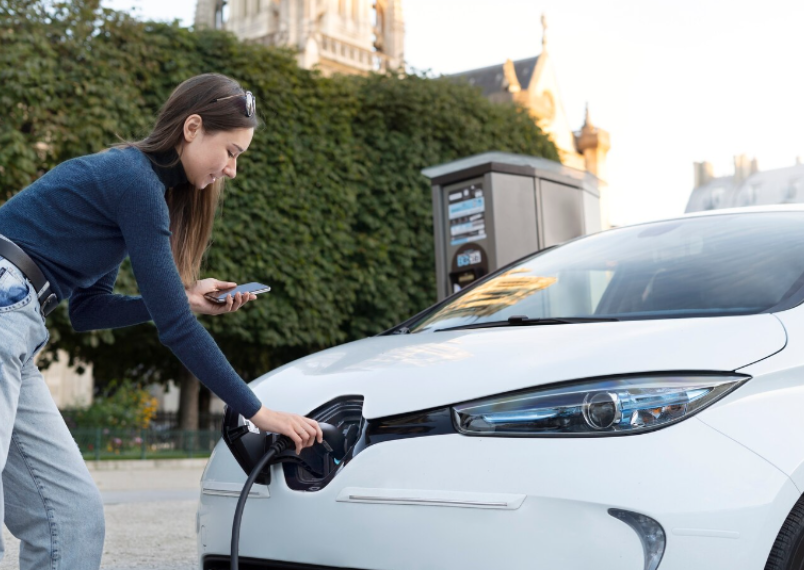
Choosing between electric vehicles (EVs) and gas-powered cars involves evaluating multiple factors, with maintenance costs being a key consideration. Both types of vehicles have distinct maintenance requirements, impacting overall ownership expenses. Here’s a detailed comparison of the maintenance costs associated with EVs and gas cars.
1. Routine Maintenance
EVs have minimal routine maintenance needs compared to gas-powered cars. They don’t require oil changes, which are a standard expense for gas cars every 3,000 to 5,000 miles. Additionally, EVs lack components like timing belts and fuel filters that require periodic replacements in gas cars.
Gas cars demand regular oil changes, air filter replacements, spark plug maintenance, and coolant flushes. These recurring services significantly increase maintenance costs over time.
2. Component Complexity
Electric cars operate with a simpler design and fewer moving parts. They lack intricate systems like transmissions, exhausts, and fuel injection systems found in gas-powered vehicles. This simplicity reduces the risk of mechanical failures and minimizes repair costs.
Gas cars, with their internal combustion engines, are more complex and susceptible to wear and tear. Over time, components such as gaskets, pistons, and belts may need costly repairs or replacements.
3. Braking System Longevity
Electric vehicles benefit from regenerative braking, which reduces wear on traditional brake pads. Regenerative braking captures energy during deceleration and uses it to recharge the battery, prolonging the lifespan of brake components.
Gas-powered cars rely entirely on friction braking, causing brake pads and rotors to wear out more quickly, necessitating frequent replacements.
4. Battery vs. Engine Maintenance
For EVs, the most significant maintenance consideration is the battery. While designed to last many years, battery replacements can cost between $5,000 and $20,000. However, many manufacturers offer long-term warranties that cover battery replacements, mitigating this potential expense.
In gas cars, engines require consistent maintenance. Over time, repairs such as spark plug replacements, valve adjustments, and engine overhauls can accumulate significant costs, often rivaling the long-term expenses of EV battery care.
5. Tire Wear
Both EVs and gas cars require regular tire maintenance. EVs are heavier due to their batteries, which can lead to slightly faster tire wear. However, this is offset by their lack of vibrations from internal combustion engines, resulting in a smoother ride and less uneven tire wear.
6. Software Updates and Diagnostics
Electric cars depend heavily on software for operation and diagnostics. Regular software updates ensure optimal performance and address potential issues. While these updates are often free, they may occasionally require a visit to a dealership for installation.
Gas cars, while less reliant on software, face diagnostic costs for identifying and resolving mechanical problems, often resulting in higher service charges.
7. Long-Term Cost Savings
EVs offer significant long-term savings due to their lower maintenance requirements. Research shows that EV owners spend 30-50% less on maintenance compared to gas car owners. These savings can accumulate over the vehicle’s lifespan, offsetting the higher initial purchase price of an EV.
Conclusion
Electric vehicles are a clear winner when it comes to maintenance costs. Their simpler design, lack of oil changes, and reduced component wear contribute to lower upkeep expenses. Gas cars, while initially less expensive, often incur higher maintenance costs over time due to their complex internal combustion systems. For drivers prioritizing long-term savings and reduced hassle, EVs present an efficient and cost-effective alternative.