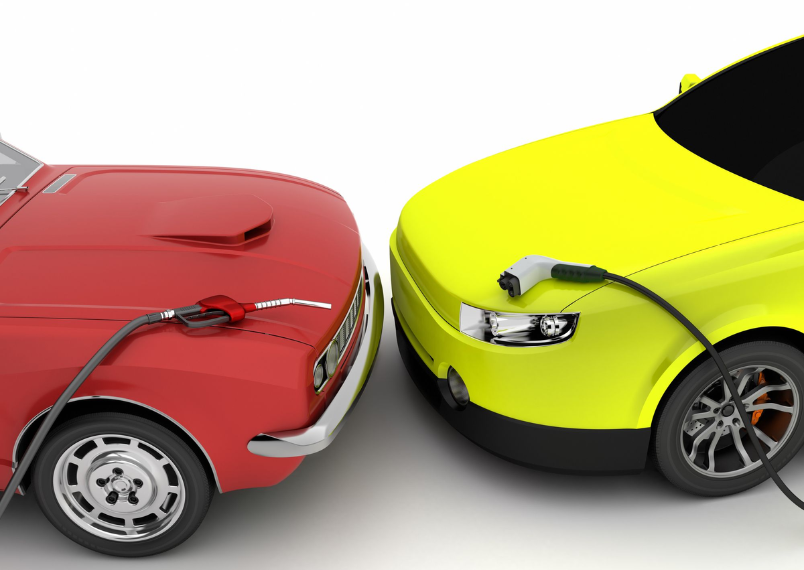
When deciding between an electric vehicle (EV) and a gas-powered car, one of the most important considerations is cost. While EVs are known for their environmental benefits, many potential buyers are curious about their financial advantages. Let’s dive into the details to determine which is truly better for your wallet.
Initial Purchase Price
Electric cars often come with a higher upfront cost than gas-powered vehicles. The advanced technology in EVs, particularly the battery, makes them more expensive to produce. However, governments worldwide offer incentives such as tax credits and rebates to offset the purchase price. For example, the U.S. federal tax credit for EVs can reduce costs by up to $7,500. Gas-powered cars, on the other hand, generally have lower sticker prices and are more accessible for budget-conscious buyers.
Fuel Costs
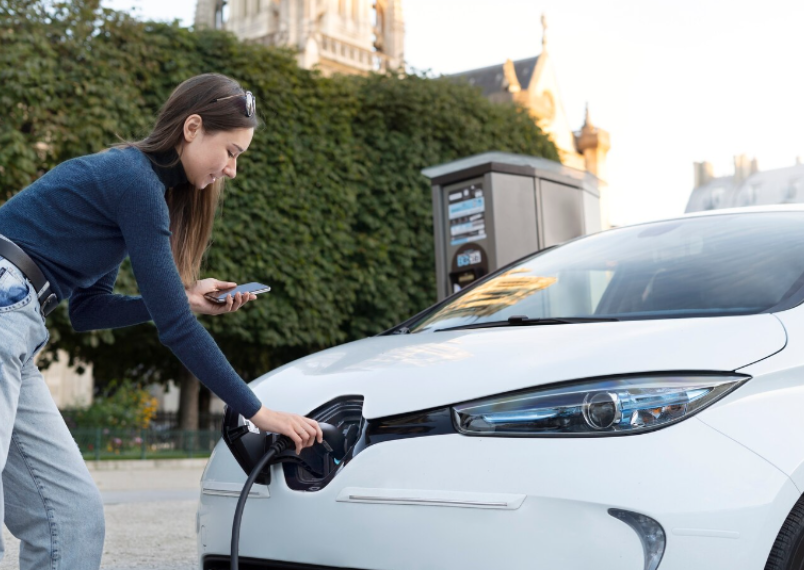
One of the biggest advantages of EVs is their significantly lower fueling cost. Electricity is much cheaper than gasoline, and charging an EV at home can save hundreds of dollars annually. Public charging stations also offer competitive rates, with many providing free or discounted charging. In contrast, gas prices fluctuate depending on market conditions, often creating uncertainty for drivers. Over the course of ownership, EV drivers can save thousands in fuel costs compared to those driving gas cars.
Maintenance Expenses
Electric cars have fewer moving parts, which translates to lower maintenance costs. They don’t require oil changes, and their simpler design means fewer components are prone to wear and tear. Gas-powered vehicles, on the other hand, need regular maintenance, including oil changes, air filter replacements, and spark plug replacements. Over time, these costs can add up, making EVs a more wallet-friendly option for long-term ownership.
Battery Replacement Costs
One potential downside of EVs is the cost of battery replacement. While EV batteries are designed to last for many years, they may need replacing after a decade of use, depending on the model and usage. The cost of replacing an EV battery can range from $5,000 to $20,000. However, advancements in technology and extended warranties on batteries are making this less of a concern for many buyers.
Resale Value
Gas cars tend to depreciate faster than EVs. As the demand for electric vehicles grows, the resale value of EVs has been holding steady. Brands like Tesla, which dominate the EV market, often retain their value better than comparable gas vehicles. Buyers looking at the long-term financial impact should consider how well their car will hold its value over time.
Insurance Costs
Insurance for EVs can sometimes be more expensive due to their higher purchase price and specialized repair needs. However, this cost difference is narrowing as insurers become more familiar with EV technology. Gas cars may have slightly lower insurance premiums initially, but this gap is not significant enough to outweigh the long-term savings of owning an EV.
Environmental Impact and Savings
While not directly related to wallet savings, choosing an EV can have financial implications when considering government incentives and societal benefits. Many regions impose fees or taxes on gas vehicles to curb emissions. EVs can help drivers avoid these penalties while also contributing to a cleaner environment.
Conclusion
When it comes to deciding whether an electric or gas car is better for your wallet, EVs often come out ahead in the long term. Their lower fueling and maintenance costs, combined with incentives and increasing resale values, make them a financially smart choice for many drivers. While the initial purchase price might be higher, the savings over time can be substantial. Gas cars still have their place for those seeking lower upfront costs, but the future is undoubtedly leaning toward the economic advantages of electric vehicles.