Electric vehicles (EVs) have quickly become a major player in the automotive industry. With the rise of electric cars comes a range of myths and misconceptions about their performance, cost, and practicality. As more consumers consider transitioning from traditional gas-powered vehicles to EVs, it’s crucial to separate fact from fiction. In this article, we’ll debunk some of the most common myths surrounding electric cars and shed light on the reality of owning and driving one.
1. Myth: EVs Are Too Expensive to Buy
- Fact:
While it’s true that electric vehicles can have a higher upfront cost compared to traditional gas cars, the gap is closing rapidly. Many governments around the world offer incentives, rebates, and tax credits that can significantly reduce the initial price of an EV. Furthermore, as production volumes increase, the prices of EVs continue to drop, making them more affordable for everyday consumers. Models like the Nissan Leaf, Chevrolet Bolt, and Tesla Model 3 are now available at more reasonable price points, offering a range of options for different budgets. - Cost of Ownership:
In addition to the lower upfront cost, EVs offer much lower operating costs than gasoline cars. Charging an EV is generally cheaper than filling up with gasoline, and EVs have fewer moving parts, which means lower maintenance and repair costs over the vehicle’s lifespan.
2. Myth: EVs Have Limited Range and Are Not Practical for Long Trips
- Fact:
One of the most persistent myths about electric vehicles is that they don’t have enough range to be practical for long-distance travel. While it’s true that early EVs had limited range, today’s electric cars offer much improved performance. Models like the Tesla Model S and Ford Mustang Mach-E can easily travel over 300 miles on a single charge, and some luxury EVs can exceed even that. - Charging Infrastructure:
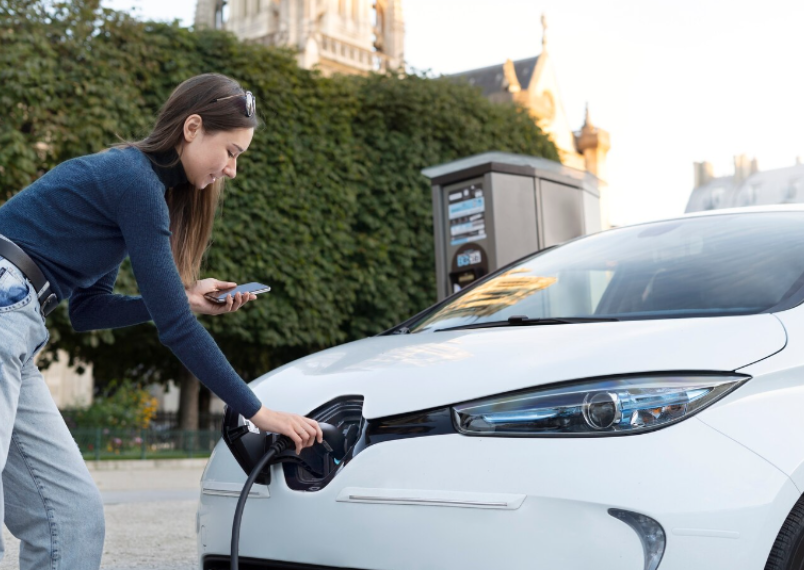
The availability of charging stations is also growing rapidly. Major highways and urban areas are seeing the installation of fast-charging stations, allowing EV owners to recharge quickly during long road trips. With widespread infrastructure development, range anxiety is becoming a thing of the past.
3. Myth: EVs Are Slow and Lack Performance
- Fact:
Another common myth is that electric cars are sluggish or less powerful than their gas-powered counterparts. In fact, EVs are known for their impressive acceleration and instant torque. The electric motor in EVs provides maximum power right from the start, delivering a smooth and fast driving experience. Popular models like the Tesla Model 3 Performance and the Rivian R1T electric truck offer mind-blowing acceleration, rivaling even some of the fastest gasoline sports cars on the market. - Electric Car Performance:
Whether you’re looking for a smooth, quiet ride or high-performance driving, electric cars are more than capable. Many performance-focused brands, such as Tesla and Lucid Motors, are producing vehicles that combine luxury, comfort, and high-end performance, challenging traditional assumptions about electric cars.
4. Myth: EVs Are Only for Environmentally Conscious Consumers
- Fact:
While it’s true that many EV buyers are motivated by environmental concerns, electric vehicles are no longer just for those focused on sustainability. EVs offer a variety of benefits that appeal to all types of drivers. From lower fuel and maintenance costs to superior performance and convenience, electric cars are becoming more attractive to a broad range of consumers. - Practical Benefits:
EVs provide a quieter, smoother driving experience compared to gas-powered vehicles. They’re ideal for city commutes due to their energy efficiency and the convenience of charging at home. As the technology continues to improve, more drivers will appreciate the practical advantages of owning an electric vehicle.
5. Myth: EV Batteries Are Bad for the Environment
- Fact:
While it’s true that the production of lithium-ion batteries used in EVs requires energy and raw materials like lithium and cobalt, studies show that the environmental impact of EV batteries is significantly lower over the lifespan of the vehicle compared to traditional gasoline cars. Once in use, EVs produce zero tailpipe emissions, which is a major factor in reducing their overall carbon footprint. - Battery Recycling:
The automotive industry is also working to improve the sustainability of EV batteries. Efforts are being made to develop better recycling methods, so that materials can be reused and reduce the need for mining. Companies like Tesla and other EV manufacturers are exploring ways to recycle battery components, making the process more eco-friendly.
6. Myth: EVs Take Too Long to Charge
- Fact:
Early electric vehicles took several hours to fully charge, but with the advent of fast-charging technology, this is no longer the case. Many modern EVs can be charged to 80% in as little as 30 minutes using a fast-charging station. Even at home, with the right charging equipment, it’s possible to fully charge your vehicle overnight. - Convenient Charging:
Home charging is one of the greatest advantages of owning an EV. With a Level 2 charger, most EV owners can start each day with a full battery, eliminating the need to visit a gas station. Additionally, as fast-charging infrastructure continues to expand, longer trips will become even more convenient for EV drivers.
7. Myth: EVs Are Not Safe
- Fact:
Electric vehicles are just as safe, if not safer, than traditional gas-powered cars. In fact, many EVs are equipped with advanced safety features and are designed with robust safety systems in mind. Models like the Tesla Model 3, Audi e-Tron, and Volvo XC40 Recharge have received top safety ratings in crash tests. - Battery Safety:
Concerns about battery fires are common, but EV manufacturers are implementing rigorous safety standards to minimize risk. Battery technology is continually evolving to make EV batteries more stable, with improved cooling systems and fire-resistant materials.
8. Myth: EVs Are Not Suitable for Cold Weather
- Fact:
Some people believe that electric vehicles don’t perform well in cold weather, but this is a misconception. While it’s true that cold temperatures can reduce the range of EVs slightly, many modern electric cars are equipped with thermal management systems that help mitigate the effects of extreme temperatures. Additionally, the overall reduction in range during winter is usually not drastic enough to significantly impact daily use. - Cold-Weather Features:
Many EVs come with heated seats and steering wheels, helping drivers stay warm without using additional energy to heat the cabin. Furthermore, newer models also feature heat pumps and advanced battery management systems to improve performance in cold climates.
9. Myth: Electric Cars Aren’t Good for Towing or Hauling
- Fact:
Electric vehicles are perfectly capable of towing and hauling heavy loads. In fact, electric motors are more efficient at towing than gasoline engines because they provide instant torque. EV trucks like the Ford F-150 Lightning and the Rivian R1T are designed specifically for towing and hauling, offering impressive capabilities that rival traditional gasoline-powered trucks. - Towing Power:
Whether you’re hauling a boat, trailer, or other heavy loads, electric trucks are more than capable. Many electric trucks on the market today offer towing capacities that meet or exceed those of traditional internal combustion engine trucks, with the added benefit of reduced fuel costs.
10. Myth: EVs Are Just a Fad
- Fact:
Far from being a passing trend, electric vehicles are rapidly becoming the future of transportation. With increasing consumer demand, advancements in technology, and government regulations pushing for cleaner energy solutions, EVs are here to stay. Major automakers are investing heavily in electric vehicle production, and numerous countries have committed to banning the sale of new gas-powered cars in the coming decades. - Global Transition:
The push for sustainability and cleaner air is driving the widespread adoption of EVs. As battery technology improves, prices drop, and more charging infrastructure is developed, electric vehicles will continue to gain popularity and become the mainstream choice for drivers worldwide.
Conclusion
The myths surrounding electric vehicles have often painted a picture of inconvenience, high cost, and limited practicality. However, as we’ve seen, these myths are largely untrue. Electric vehicles are not only environmentally friendly but also cost-effective, convenient, and capable of delivering impressive performance. With the continuous advancements in technology and the growing global shift toward sustainability, it’s clear that EVs are not just the future—they are the present.
If you’re considering making the switch to an electric vehicle, rest assured that many of the misconceptions surrounding them are outdated. The reality is that EVs offer a wide range of benefits that make them a practical and attractive option for today’s consumers.