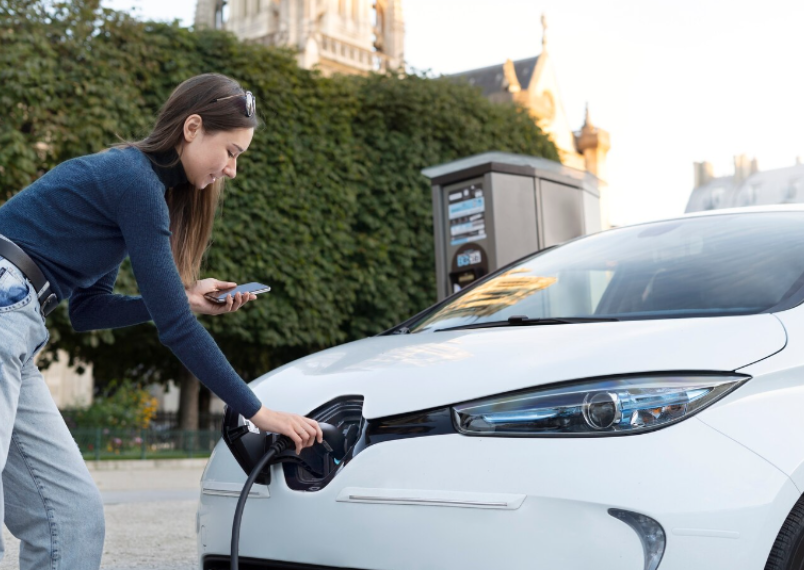
The shift from gasoline-powered vehicles to electric vehicles (EVs) marks a significant turning point in the automotive industry. What once seemed like a futuristic concept has now become a practical and necessary evolution, driven by technological advancements, environmental concerns, and changing consumer preferences. Here’s why EVs are poised to dominate the road and redefine transportation as we know it.
1. Environmental Imperatives
Gasoline-powered vehicles have been major contributors to greenhouse gas emissions and air pollution for decades. EVs, on the other hand, produce zero tailpipe emissions, significantly reducing their environmental footprint.
As governments and organizations worldwide implement stricter emission regulations, EVs are becoming a critical solution to combat climate change. Many countries are also setting deadlines to phase out internal combustion engine (ICE) vehicles entirely, accelerating the transition to electric mobility.
2. Advances in Battery Technology
The heart of an EV is its battery, and recent advancements in battery technology have been game-changers. Modern lithium-ion batteries offer increased energy density, longer ranges, and faster charging times compared to earlier models.
Some EVs now rival gas cars in range, with models like the Tesla Model S offering over 400 miles on a single charge. Innovations such as solid-state batteries promise to further enhance performance, making EVs even more appealing.
3. Lower Operating Costs
One of the biggest draws of EVs is their cost-efficiency. Charging an electric vehicle is significantly cheaper than refueling a gasoline car, especially when utilizing off-peak electricity rates. Additionally, EVs have fewer moving parts, reducing maintenance costs over their lifetime.
Gasoline cars require regular oil changes, exhaust system repairs, and other upkeep, while EVs eliminate many of these expenses. Over time, the savings from reduced fuel and maintenance costs make EVs a financially sound choice.
4. Government Incentives and Support
Many governments are actively promoting the adoption of EVs through financial incentives. These include tax credits, rebates, and subsidies for purchasing electric cars, as well as investments in charging infrastructure.
For example, countries like Norway have achieved high EV adoption rates by offering substantial incentives, free tolls, and access to bus lanes for EV owners. Similar initiatives worldwide are making EVs more accessible to a broader audience.
5. Expanding Charging Infrastructure
A common concern among potential EV buyers has been the availability of charging stations. However, rapid growth in charging infrastructure is addressing this issue. Public and private entities are investing heavily in building charging networks, with fast chargers enabling EVs to recharge in minutes.
Home charging solutions have also become more convenient, allowing users to plug in their vehicles overnight and wake up to a full battery.
6. Performance and Innovation
EVs are no longer just efficient—they are thrilling to drive. Electric motors deliver instant torque, resulting in impressive acceleration that rivals or surpasses many gasoline sports cars. Advanced features like autonomous driving, over-the-air software updates, and connected technologies make EVs more innovative and future-ready than their gas-powered counterparts.
7. Consumer Demand and Corporate Commitment
Consumer preferences are shifting toward sustainable and innovative transportation solutions. Automakers are responding by investing billions in EV development, with companies like Tesla, Rivian, and legacy brands like Ford and Volkswagen leading the charge.
Some manufacturers have even announced plans to transition entirely to electric lineups within the next decade, signaling the end of the gasoline era.
8. Energy Independence
EVs contribute to energy independence by reducing reliance on imported oil. With renewable energy sources like solar and wind powering many EV chargers, these vehicles offer a cleaner and more sustainable alternative to fossil fuels.
Conclusion
The transition to EVs is not just a trend—it’s a revolution. Environmental benefits, cost savings, technological advancements, and shifting societal priorities are driving the world toward an electric future. As infrastructure improves and innovations continue, EVs are poised to leave the gasoline era behind, paving the way for a cleaner, more sustainable tomorrow.