The automotive industry is undergoing a monumental transformation, driven largely by the rise of electric vehicles (EVs). With growing concerns over climate change, technological advancements, and changing consumer preferences, EVs are becoming the centerpiece of the automotive revolution. Let’s explore how electric cars are changing the auto industry forever and what it means for the future of transportation.
1. A Shift Toward Sustainability
- Environmental Benefits:
One of the most significant ways EVs are changing the auto industry is through their environmental impact. Unlike traditional gasoline and diesel vehicles, EVs produce zero tailpipe emissions, helping to reduce air pollution and greenhouse gases. This shift toward clean energy aligns with global efforts to combat climate change and transition to renewable energy sources. - Carbon Footprint Reduction:
EVs are part of a broader push to decarbonize the transport sector, which is one of the largest contributors to carbon emissions worldwide. As the electricity grid becomes greener with more reliance on renewable energy like wind and solar, the environmental benefits of EVs will continue to grow.
2. Technological Innovation at the Core
- Battery Development:
One of the biggest hurdles for electric cars has been battery technology. However, advancements in lithium-ion batteries are pushing EV ranges higher and charging times shorter. Modern electric cars are now capable of traveling 250 to 370 miles on a single charge, making them more viable for daily commuting and long-distance trips. - Autonomous Driving:
Many EV manufacturers, including Tesla, are heavily investing in autonomous driving technology. The rise of electric cars and the push for automation are intertwined, with electric vehicles providing the ideal platform for self-driving technology due to their advanced sensors, software, and electric powertrains. - Software Integration:
EVs are more reliant on software than their gasoline counterparts. Regular over-the-air software updates allow automakers to fix bugs, add new features, and enhance performance, transforming the car into a “smart device” that evolves over time.
3. Rethinking the Consumer Experience
- Lower Operating Costs:
Electric cars are changing the way consumers view vehicle ownership. The cost to charge an EV is significantly lower than filling up a gas tank. Additionally, EVs have fewer moving parts, leading to reduced maintenance costs, which makes them an attractive choice for cost-conscious buyers. - Increased Convenience:
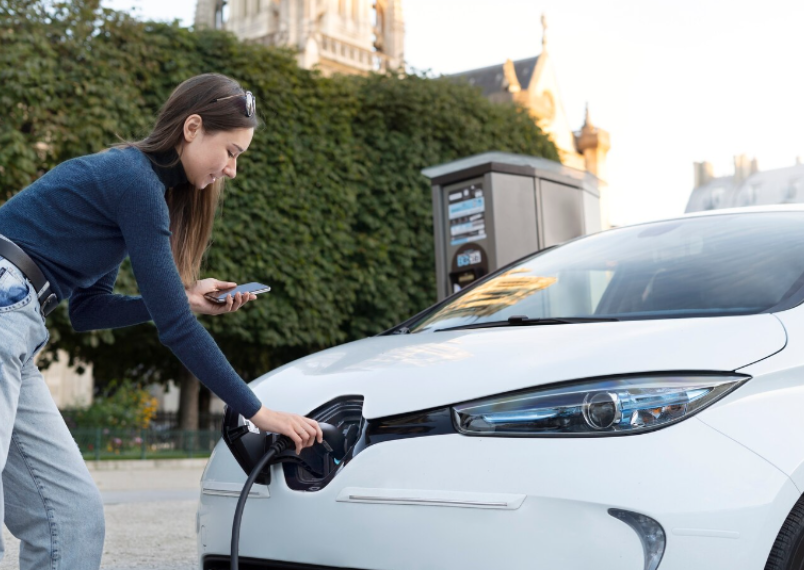
Charging an EV at home is convenient and allows drivers to avoid the hassle of visiting gas stations. With more fast-charging networks being built worldwide, EV owners are finding it easier to travel long distances without worrying about charging availability. - Quiet, Smooth Driving:
EVs offer a smoother, quieter driving experience due to the absence of an internal combustion engine. This change in driving dynamics is appealing to many drivers who prefer a more serene and efficient ride. As EVs become more mainstream, the driving experience itself is becoming a key selling point.
4. Disruption of Traditional Automakers
- New Entrants to the Market:
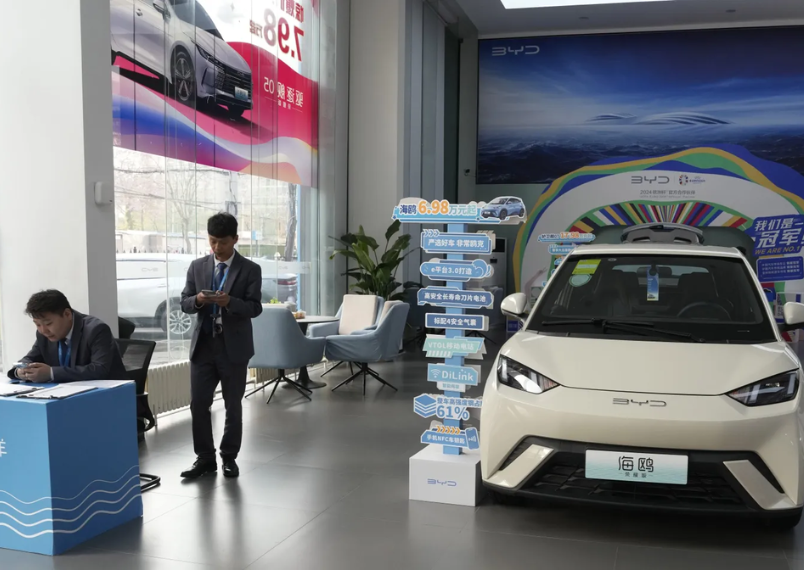
The rise of electric cars is prompting a major disruption in the auto industry. Traditional car manufacturers, like General Motors, Ford, and Volkswagen, are scrambling to keep up with the growing demand for electric vehicles. At the same time, new companies, such as Tesla and Rivian, have emerged to challenge established players. These new entrants are focusing entirely on EVs, pushing innovation and accelerating the adoption of electric vehicles. - Manufacturing Shifts:
Automakers are retooling their factories and supply chains to accommodate EV production. Unlike gasoline-powered cars, electric cars require different manufacturing processes, especially when it comes to the battery. This shift is transforming the entire production ecosystem, from raw materials to assembly lines. - Strategic Partnerships and Investments:
Established carmakers are forming strategic alliances with tech companies and startups to advance electric vehicle technology. For instance, Ford’s partnership with Rivian and Volkswagen’s investment in QuantumScape’s solid-state battery technology are examples of how automakers are positioning themselves for the future of EVs.
5. Government Support and Regulations
- Incentives and Subsidies:
Governments around the world are offering incentives to encourage EV adoption. These include tax credits, rebates, and subsidies that make electric vehicles more affordable. In some regions, these incentives can significantly reduce the initial purchase cost, which is often one of the barriers to EV adoption. - Emission Standards and Regulations:
Stricter emission standards and regulations are pushing automakers to shift toward cleaner, greener technologies. Many countries, including the U.S., European nations, and China, are setting ambitious targets for phasing out internal combustion engines in favor of electric powertrains. The European Union, for example, aims to become carbon neutral by 2050, and many countries are committing to banning new gas and diesel car sales within the next decade or two.
6. Infrastructure Development and Challenges
- Charging Infrastructure Growth:
As more people adopt electric cars, the demand for charging stations is increasing. Governments, businesses, and automakers are investing heavily in building a robust charging infrastructure. Companies like Tesla have already built extensive Supercharger networks, while others are following suit, ensuring that EV drivers can charge their vehicles conveniently and efficiently. - Battery Recycling and Sustainability:
As the number of electric vehicles increases, so does the need for efficient battery recycling solutions. The auto industry is working to establish better systems for recycling lithium-ion batteries, which could become a significant environmental concern if not managed properly. New technologies for battery recycling are being developed to ensure the sustainability of EVs in the long run.
7. Consumer Perception and Acceptance
- Changing Mindsets:
As more consumers embrace electric cars, the perception of EVs is shifting. Initially seen as niche products for early adopters, electric cars are now becoming mainstream. Increased availability of EVs across different price points, coupled with improved range, performance, and convenience, has helped change consumer attitudes toward electric vehicles. - Rising Popularity:
Consumer demand for electric vehicles continues to rise, and automakers are responding by releasing more affordable, versatile, and high-performing electric models. Popular models like the Tesla Model 3, Nissan Leaf, Chevrolet Bolt, and others are paving the way for a future where EVs become the standard rather than the exception.
Conclusion
Electric vehicles are more than just a trend—they represent a fundamental shift in the way we think about transportation. From environmental sustainability to technological advancements, EVs are reshaping the automotive industry and driving it toward a cleaner, more innovative future. As automakers adapt, governments implement stricter regulations, and consumers embrace this new era of driving, electric vehicles are set to become the dominant force in the global automotive landscape.
The transition to electric mobility is not just a passing phase; it is changing the auto industry forever, making the future of transportation greener, smarter, and more sustainable. The road ahead is electric, and it’s clear that the automotive world will never be the same again.