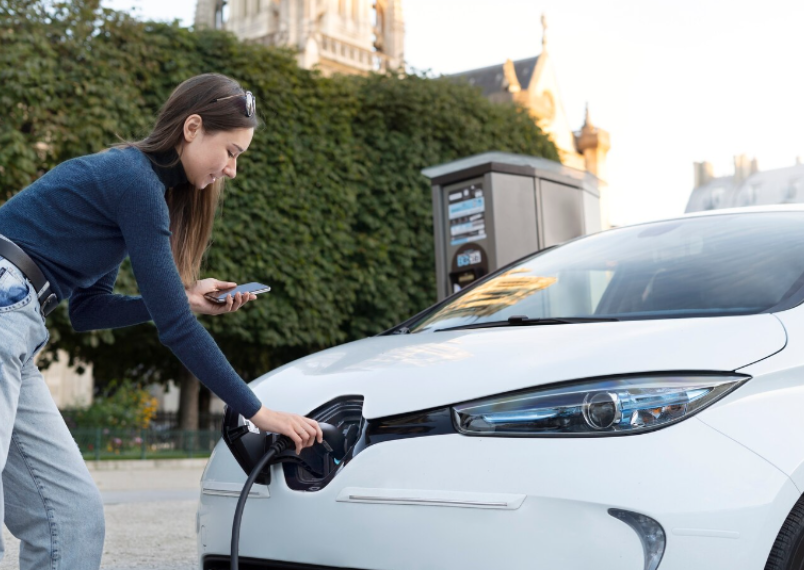
Electric vehicles (EVs) offer numerous advantages, from reducing your carbon footprint to lowering fuel and maintenance costs. However, owning an EV can also come with a few challenges. As technology improves and infrastructure develops, these issues are becoming easier to address. Let’s explore the most common challenges of EV ownership and the practical solutions to overcome them.
1. Limited Driving Range
- Challenge: Range anxiety, or the fear of running out of battery power before reaching a charging station, is one of the most common concerns for potential EV owners. While most EVs offer ranges of 150 to 370 miles on a full charge, this can be limiting for long-distance travel.
- Solution:
- Choose an EV with a higher range that fits your daily needs and driving habits. Many 2024 models now offer improved range, with some reaching over 300 miles.
- Plan trips using apps or websites that help you locate charging stations along your route.
- Invest in a Level 2 home charger for easy overnight charging.
2. Charging Infrastructure
- Challenge: While the number of charging stations is growing, they may not always be readily available in rural or less developed areas. This can be a significant challenge for long-distance trips or in regions with limited infrastructure.
- Solution:
- Use charging station apps such as PlugShare, ChargePoint, or Tesla’s Supercharger network to map out available chargers.
- If you live in an area with limited charging stations, advocate for local development or install a home charger.
- Plan trips carefully, ensuring you know where to charge along the way.
3. Charging Time
- Challenge: While gas vehicles can be refueled in minutes, EVs can take longer to charge. Even fast chargers typically take 20–30 minutes for an 80% charge.
- Solution:
- Charge your EV at home overnight to ensure it’s ready each morning.
- Use charging time as an opportunity to rest or run errands.
- Opt for fast-charging stations when needed, and use apps to identify the nearest ones.
4. Higher Upfront Cost
- Challenge: Although EV prices have decreased, they can still be more expensive than traditional gasoline-powered cars.
- Solution:
- Look for government incentives, tax credits, or rebates that can reduce the upfront cost.
- Consider the long-term savings from lower fuel and maintenance costs, which can offset the initial investment.
- Explore affordable used EV options or leasing programs to reduce the financial burden.
5. Battery Degradation
- Challenge: Over time, the battery in an EV may degrade, leading to a reduction in range and performance. This is a common concern for long-term EV owners.
- Solution:
- Choose a reputable EV brand with a strong warranty for battery life, typically ranging from 8–10 years.
- Avoid keeping your battery at 0% or charging it to 100% frequently, as this can prolong its lifespan.
- Follow manufacturer guidelines for battery maintenance and take advantage of software updates that can improve performance.
6. Maintenance and Repair Options
- Challenge: While EVs require less maintenance than gas-powered cars, they can be harder to repair due to fewer specialized service centers.
- Solution:
- Stick with well-known brands that have a robust service network for EVs.
- Educate yourself on basic EV maintenance and take advantage of online communities and resources for troubleshooting.
- Look for EV service centers or auto mechanics who specialize in electric vehicles.
7. Cold Weather Performance
- Challenge: Cold temperatures can affect the performance of EV batteries, reducing range and charging speed in colder climates.
- Solution:
- Precondition the vehicle while it’s plugged in to warm the battery before driving.
- Use climate control features like heated seats and steering wheels instead of relying on cabin heating, which consumes more battery.
- Park your EV in a warmer location (such as a garage) during extreme cold to maintain battery health.
8. Resale Value Concerns
- Challenge: Because EV technology is rapidly evolving, older models may not retain their value as well as traditional cars.
- Solution:
- Choose popular EV models with strong resale value and solid manufacturer support.
- Consider leasing an EV, which can eliminate concerns about long-term depreciation.
- Keep your EV well-maintained and stay up to date with software updates to improve its longevity and resale appeal.
Conclusion
While EV ownership has its challenges, many of these issues are being addressed through ongoing technological advancements and expanding infrastructure. By planning ahead, staying informed, and taking advantage of available resources, you can enjoy the numerous benefits of driving an electric car while minimizing potential hurdles. As the world continues to transition to electric mobility, these challenges will only become less significant, making EVs an even more appealing choice for the future.