Electric vehicles (EVs) have revolutionized the automotive industry, offering an alternative to traditional gas-powered cars. While their environmental benefits are well-documented, the question remains: can EVs match or surpass gas cars in performance? Let’s delve into key performance metrics to settle the debate.
1. Acceleration and Speed
Electric vehicles are renowned for their impressive acceleration, thanks to their electric motors’ ability to deliver instant torque. This characteristic allows EVs to achieve rapid acceleration from a standstill, often outperforming gas cars in short sprints.
For example, Tesla’s Model S Plaid can accelerate from 0 to 60 mph in under 2 seconds, a feat few gas-powered supercars can achieve. However, traditional gas cars still dominate in top speed records, particularly in high-performance models designed for racing.
2. Power Delivery
EVs have a unique advantage in power delivery. Their motors provide consistent and smooth power across the entire speed range without the need for gear shifts. Gas cars, by contrast, rely on multi-speed transmissions to optimize power delivery, which can create slight delays during acceleration.
This seamless power delivery makes EVs particularly effective in urban driving scenarios and short-distance races.
3. Range and Refueling
Range remains a significant factor in the performance debate. While EVs have made strides in increasing battery range—some models now exceeding 400 miles on a single charge—gas cars still lead in this category. Gas-powered vehicles can cover long distances without frequent stops, and refueling takes just a few minutes.
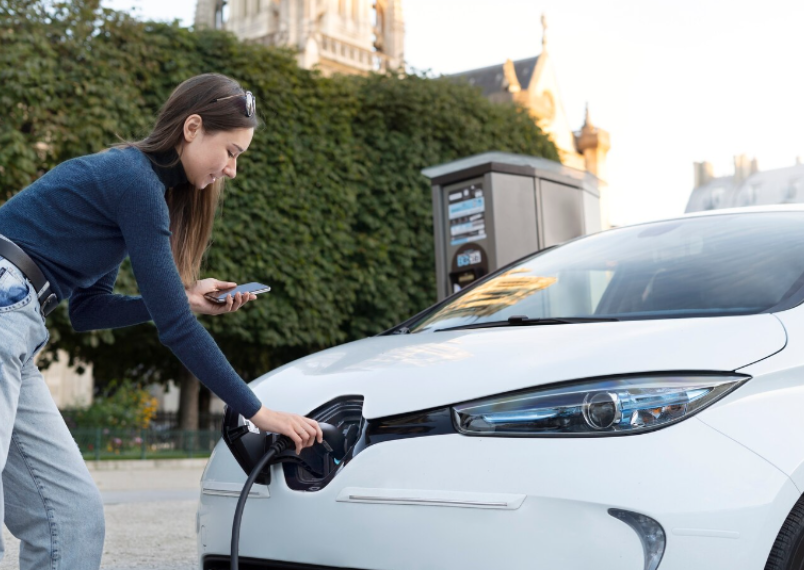
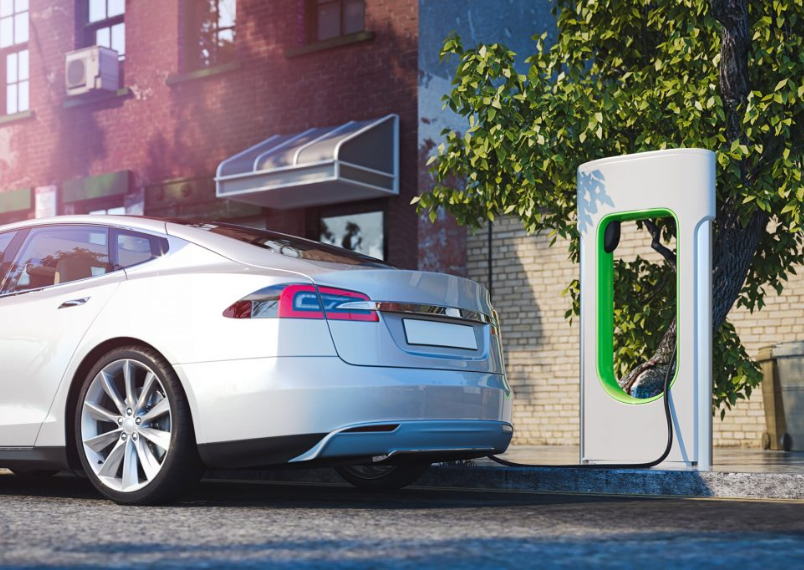
EVs require charging, which can take from 30 minutes (at a fast charger) to several hours (at home), depending on the charger and battery size. This disparity impacts the performance of EVs for long-haul travel or competitive endurance racing.
4. Handling and Weight
The heavy batteries in EVs contribute to a lower center of gravity, improving stability and cornering. This characteristic allows EVs to excel in handling, particularly in tight curves and high-speed maneuvers.
Gas cars are generally lighter, which can give them an edge in specific racing scenarios where agility and responsiveness are paramount. However, advancements in EV chassis design and weight distribution are narrowing this gap.
5. Noise and Vibration
EVs operate quietly, offering a smooth and noise-free driving experience. This silence contrasts with the loud and often thrilling roar of gas engines, a feature many car enthusiasts cherish. While EVs provide a refined performance, some drivers may miss the visceral feedback that gas cars deliver.
6. Maintenance and Longevity
Performance over time is another critical consideration. EVs have fewer moving parts, leading to lower maintenance requirements and more consistent long-term performance. Gas cars, with their complex engines, require regular maintenance, which can impact their performance as components wear out.
Conclusion
The performance debate between EVs and gas cars is no longer about superiority but rather about priorities. EVs excel in acceleration, handling, and ease of use, making them a formidable choice for modern drivers. Gas cars, however, still hold an edge in range, top speed, and the emotional connection many drivers associate with traditional engines.
Ultimately, the decision depends on what aspects of performance matter most to the driver. As technology evolves, EVs are likely to continue closing the gap and even surpassing gas cars in more areas, solidifying their place in automotive history.